- Glazing and window installations – Specifically designed sealants that are resistant to UV, moisture and mould are ideal for use in window manufacturing and professional glazing works.
- Construction joints – The use of silicone sealants for intentional gaps or interfaces between building elements allows for movement, separation or phased construction. These sealants help to prevent cracking, delamination, water penetration as well as loss of airtightness.
- Outdoor and indoor waterproof sealing – for sealing outdoor window and door perimeters, façade expansion joints or roof penetrations around vents, gutters or chimneys as well as sealing gaps in wet areas inside, such as around splashbacks, showers and gaps where frames meet walls.
Common Characteristics Across Silicone Sealants
- Silicone sealants are typically ready-to-use and come in cartridges for use with a sealant gun – no need for additional preparation.
- They remain elastic and flexible after curing and can accommodate movement in joints (often about 12,5-20%).
- Once cured, most of them withstand cold and heat, depending on the formulation, from temperature as low as -40 °C and up to even +150 °
- Silicone sealants cure by reacting with moisture in the air and forms an elastic, durable seal.
- They hold up well outdoors, resisting UV light and atmospheric conditions without degrading quickly.
- Most of these sealants adhere well to materials like glass, ceramics, enamel, wood and some metals. The adhesion can vary by base type (neutral vs acetate).
- Many sanitary silicones include additives to prevent mould growth, suitable for wet environments like bathrooms.
Silicone sealants developed by Tegra State team are waterproof, elastic sealants mainly designed for construction, sanitary and glazing applications. They cure with moisture, resist temperatures and weathering, and offer good adhesion to various materials.
Frequently Asked Questions About Silicone Sealants
- What is a silicone sealant used for?
Silicone sealants are used to seal and bond joints and gaps that must remain waterproof, flexible and durable. They are ideal for sealing sanitary equipment, window frames, tiles, glazing joints and connections between construction materials.
- How long does silicone sealant last?
When properly applied and cured, silicone sealant remains flexible and effective for many years (often over a decade).
- What surfaces does silicone sealant stick to?
Silicone sealants developed by Tegra State adhere reliably to most common building materials, including:
- Ceramics and tiles
- Glass
- Enamel
- Wood
- Concrete and bricks
- Metal (depenging on silicone type)
Silicone sometimes does not stick well to very smooth plastics like polyethylene (PE), polypropylene (PP), Teflon, or similar low-energy surfaces.
- What is the difference between neutral and acetate silicone?
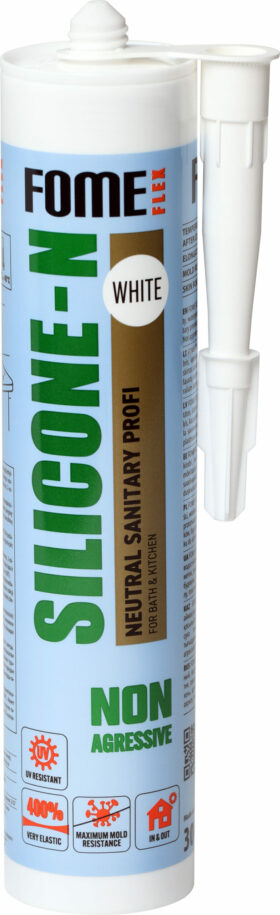
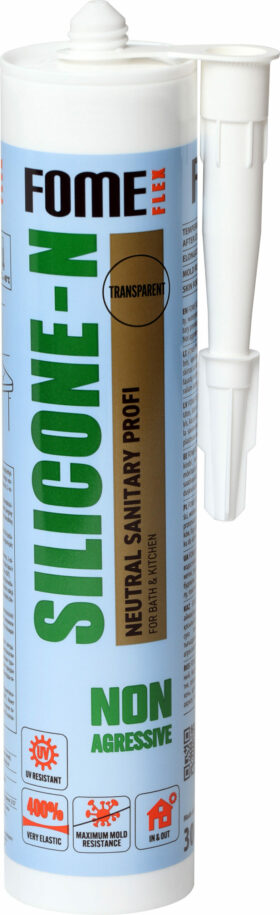
Neutral-cure silicone (e.g., FOME FLEX Silicone-N) releases neutral oxime/alcohol during curing, so it doesn’t corrode metals or stain natural stone and marble. It’s suitable for a wider range of materials including metals and stone.
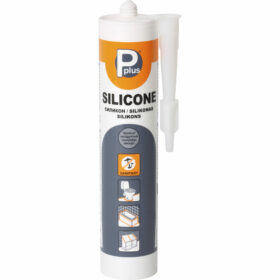
Acetate silicone (e.g., Pplus Silicone) releases acetic acid (smells like vinegar) as it cures and can corrode some metals or affect sensitive surfaces if not appropriate. It still provides good adhesion on many common substrates like glass and tiles.
- Which silicone sealant is best for bathrooms and kitchens?
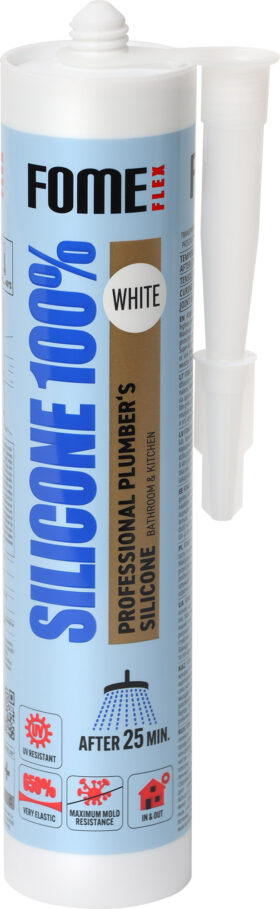
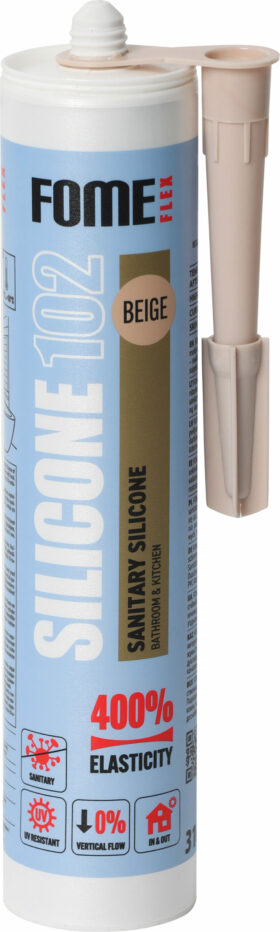
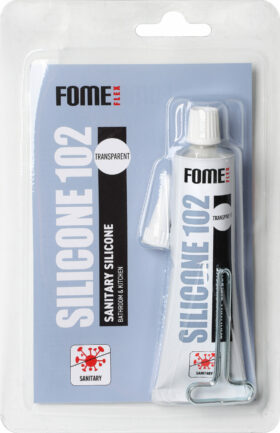
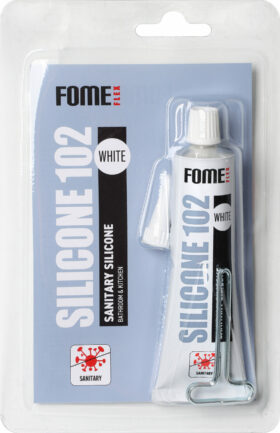
For bathrooms, kitchens, shower joints and other wet areas, choose a sanitary silicone with mould-resistance and good waterproof performance. These features are well expressed by FOME FLEX 100% Silicone, FOME FLEX 102 Sanitary Silicone or FOME FLEX Silicone-N.
- Which silicone sealant should I use for windows and doors?
For windows and doors (especially exterior joints and glazing), e neutral-cure silicone – often labelled for glazing and window work – is preferred because it’s compatible with metals, plastics and glass and will not cause corrosion.
- What temperature should silicone sealant be applied at?
Tegra State silicones are typically applied in a working temperature range from +5 °C to +40 °C for both neutral and acetate products.
- Can silicone sealant be used permanently under water?
No, silicone sealants are not recommended for permanent immersion underwater. It prevents proper long-term adhesion and curing in typical formulations.
- What colours are silicone sealants available in?
Most common colours are white and transparent, but some products are available in beige, grey, black, brown or anthracite colours.
- How do you remove excess or old silicone sealant?
To remove excess or old silicone:
- Use a sharp utility knife or scraper (like in the FOME FLEX Joint Smoother Kit) to carefully cut and peel away the bulk of the old sealant.
- Clean remaining residue with a plastic scraper or specialized silicone remover if needed.
- Wipe surfaces with alcohol or a suitable degreaser to prepare for new sealant.
- Make sure surfaces are dry and clean before reapplying silicone.
Tegra State supplies cleaners like FOME FLEX Multicleaner that help with residue removal.
- Why is my silicone sealant not sticking?
Common reasons include:
- Sufrace is not clean, dry, or degreased
- Silicone is incompatible with that surface
- Using the wrong type of silicone
- Joints are too wide or deep without backer rod or proper joint design.
- Is silicone sealant toxic before or after curing?
Before curing, silicone sealants can emit by-products (alcohol from neutral cure or acetic acid from acetate) that may irritate eyes/respiratory system in poorly ventilated spaces. After proper curing (usually ~24 h), they form an inert, stable rubbery material that is not toxic in normal use. Always observe safety data sheets and ensure ventilation during application.