
Silicone sealants
Silicone sealants are designed primarily for sealing and bonding joints and seams in construction and repair work. Most often they are used in sanitary premises. Silicones are ready-to-use and made from one component.







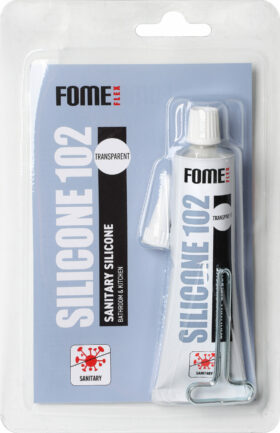
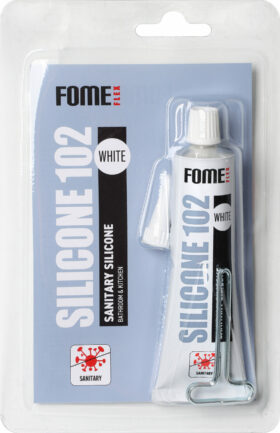
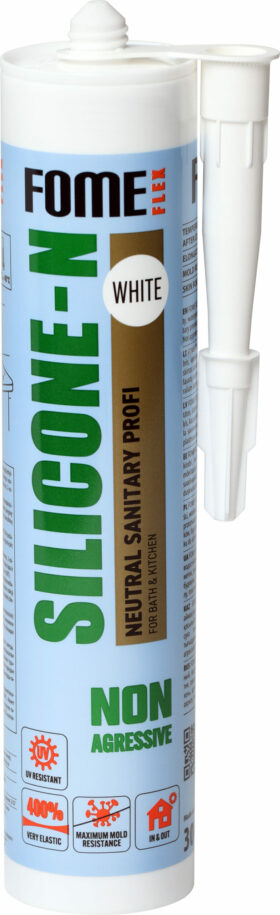
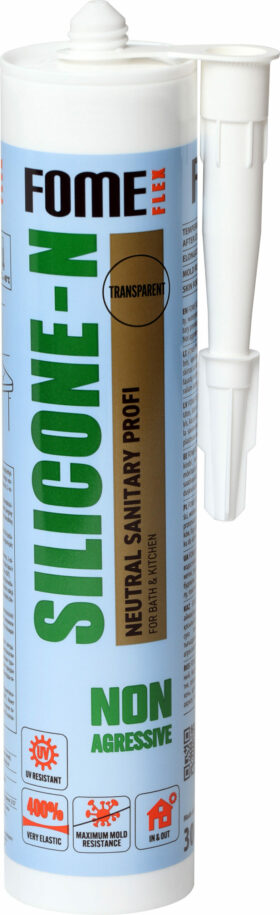
Most Common Use for Silicone Sealants
- Sanitary applications – Silicone sealants are used for sealing tasks in areas with frequent exposure to water, humidity and cleaning chemicals, where hygiene and mould prevention is crucial. They are used to seal seams around tubs, sinks, wash basins, showers and various joints in sanitary premises.
Frequently Asked Questions (FAQ)
Silicone sealants are used to seal and bond joints and gaps that must remain waterproof, flexible and durable. They are ideal for sealing sanitary equipment, window frames, tiles, glazing joints and connections between construction materials.
When properly applied and cured, silicone sealant remains flexible and effective for many years (often over a decade).
Silicone sealants developed by Tegra State adhere reliably to most common building materials, including:
- Ceramics and tiles
- Glass
- Enamel
- Wood
- Concrete and bricks
- Metal (depenging on silicone type)
Silicone sometimes does not stick well to very smooth plastics like polyethylene (PE), polypropylene (PP), Teflon, or similar low-energy surfaces.
Neutral-cure silicone (e.g., FOME FLEX Silicone-N) releases neutral oxime/alcohol during curing, so it doesn’t corrode metals or stain natural stone and marble. It’s suitable for a wider range of materials including metals and stone.
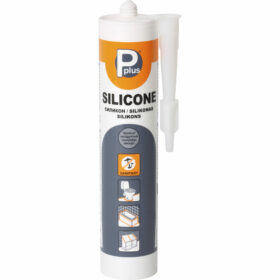
Acetate silicone (e.g., Pplus Silicone) releases acetic acid (smells like vinegar) as it cures and can corrode some metals or affect sensitive surfaces if not appropriate. It still provides good adhesion on many common substrates like glass and tiles.
- Which silicone sealant is best for bathrooms and kitchens?
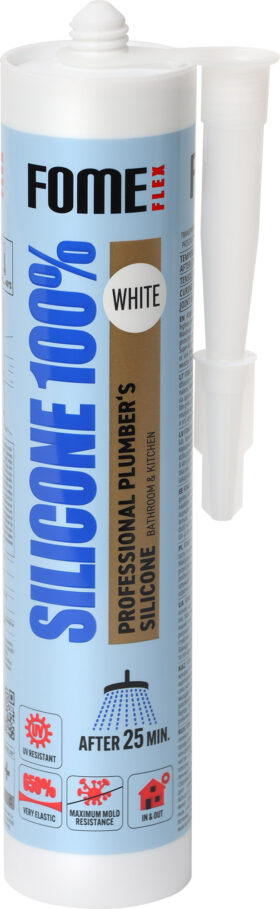
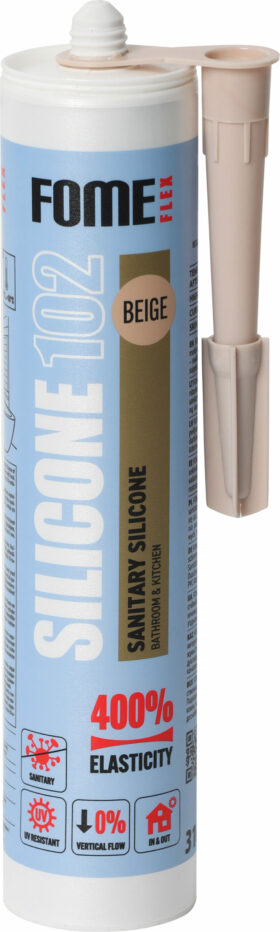
For bathrooms, kitchens, shower joints and other wet areas, choose a sanitary silicone with mould-resistance and good waterproof performance. These features are well expressed by FOME FLEX 100% Silicone, FOME FLEX 102 Sanitary Silicone or FOME FLEX Silicone-N.
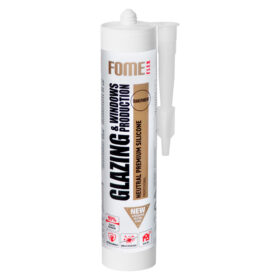
For windows and doors (especially exterior joints and glazing), e neutral-cure silicone – often labelled for glazing and window work – is preferred because it’s compatible with metals, plastics and glass and will not cause corrosion.
Tegra State silicones are typically applied in a working temperature range from +5 °C to +40 °C for both neutral and acetate products.
No, silicone sealants are not recommended for permanent immersion underwater. It prevents proper long-term adhesion and curing in typical formulations.
Most common colours are white and transparent, but some products are available in beige, grey, black, brown or anthracite colours.
To remove excess or old silicone:
- Use a sharp utility knife or scraper (like in the FOME FLEX Joint Smoother Kit) to carefully cut and peel away the bulk of the old sealant.
- Clean remaining residue with a plastic scraper or specialized silicone remover if needed.
- Wipe surfaces with alcohol or a suitable degreaser to prepare for new sealant.
- Make sure surfaces are dry and clean before reapplying silicone.
Tegra State supplies cleaners like FOME FLEX Multicleaner that help with residue removal.
Common reasons include:
- Sufrace is not clean, dry, or degreased
- Silicone is incompatible with that surface
- Using the wrong type of silicone
- Joints are too wide or deep without backer rod or proper joint design.
Before curing, silicone sealants can emit by-products (alcohol from neutral cure or acetic acid from acetate) that may irritate eyes/respiratory system in poorly ventilated spaces. After proper curing (usually ~24 h), they form an inert, stable rubbery material that is not toxic in normal use. Always observe safety data sheets and ensure ventilation during application.