
The new Packaging and Packaging Waste Regulation (PPWR) began to apply in the European Union on 12 August 2026. It aims to reduce packaging waste and promote recycling and reuse. The new rules are relevant not only to packaging manufacturers but also to companies that import, distribute or use packaging in their operations. What are the main changes that have come into effect, and what do they mean for businesses?
Stricter Requirements for Packaging Composition and Documentation
As of 12 August 2026, requirements restricting the levels of certain chemical substances in packaging have begun to apply. Particular attention is being paid to restrictions on per- and polyfluoroalkyl substances (PFAS) in food-contact packaging. If the concentration of these substances reaches or exceeds the established limits, such packaging can no longer be placed on the EU market.
New obligations also apply to packaging manufacturers, importers and distributors. Manufacturers must assess packaging compliance with the applicable requirements, prepare technical documentation and draw up an EU Declaration of Conformity. Importers and distributors, in turn, must verify that the packaging they place on the market complies with the requirements applicable to them.
Greater Focus on Recycling and Reducing Packaging
Although some rules are already being applied, significant changes are also planned for the coming years. From 2030, more detailed criteria for assessing packaging recyclability will apply, requiring manufacturers to pay greater attention to the materials they use and the design of their packaging.
Excessive packaging will also be restricted. For example, certain transport and e-commerce packaging will be subject to a maximum empty-space ratio of 50% from 2030. Some plastic packaging will have to contain a specified minimum proportion of recycled materials, while the gradual introduction of more harmonised labelling requirements will help consumers sort waste more easily.
What Do the New Requirements Mean for Businesses?
The new regulation encourages companies to review the packaging they use and its composition, assess recyclability, and work with suppliers to ensure compliance with the applicable requirements. At the same time, these changes may create opportunities to manage costs more efficiently by reducing unnecessary packaging materials, optimising packaging sizes and improving transport processes.
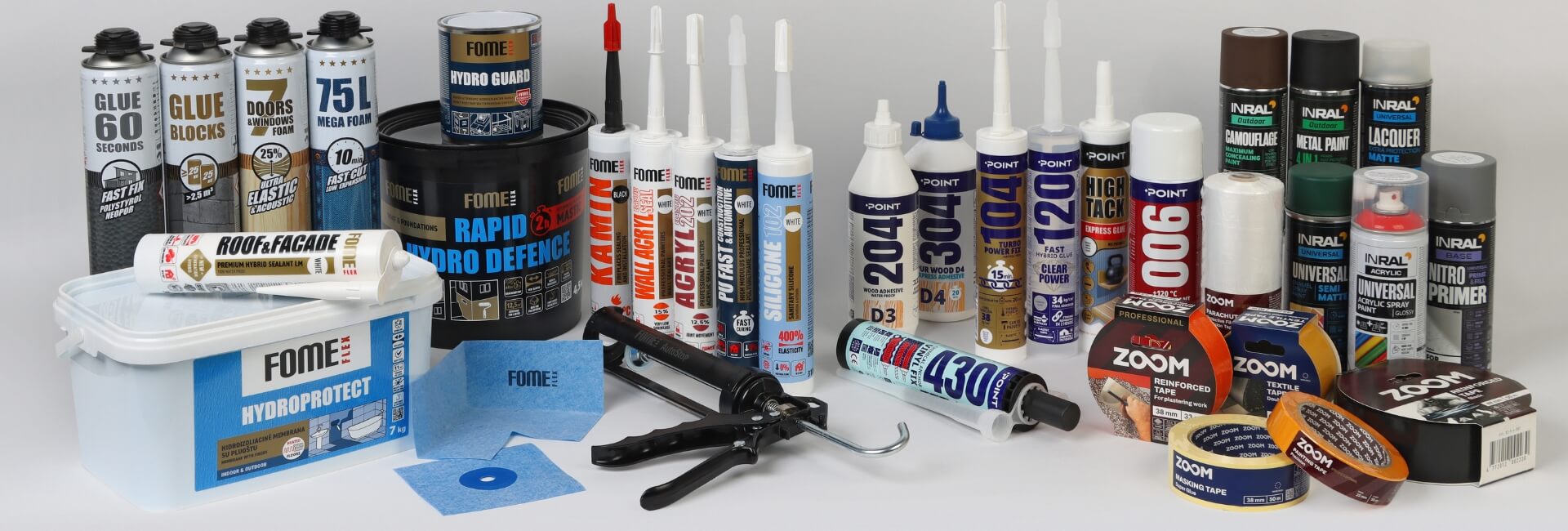
These changes are also relevant to manufacturers and suppliers of construction chemicals, as the sector uses various types of packaging, ranging from plastic containers and aerosol cans to cardboard shipping boxes. From Tegra State’s perspective, it is important to balance environmental requirements with product safety and quality preservation. Packaging must not only meet the applicable requirements but also adequately protect the product during storage, transport and use.
Although some of the new requirements will not apply until several years from now, it is worth preparing already. By assessing existing packaging and potential alternatives in advance, companies will be better positioned to adapt to the changes, use resources more efficiently and plan future expenditure.